


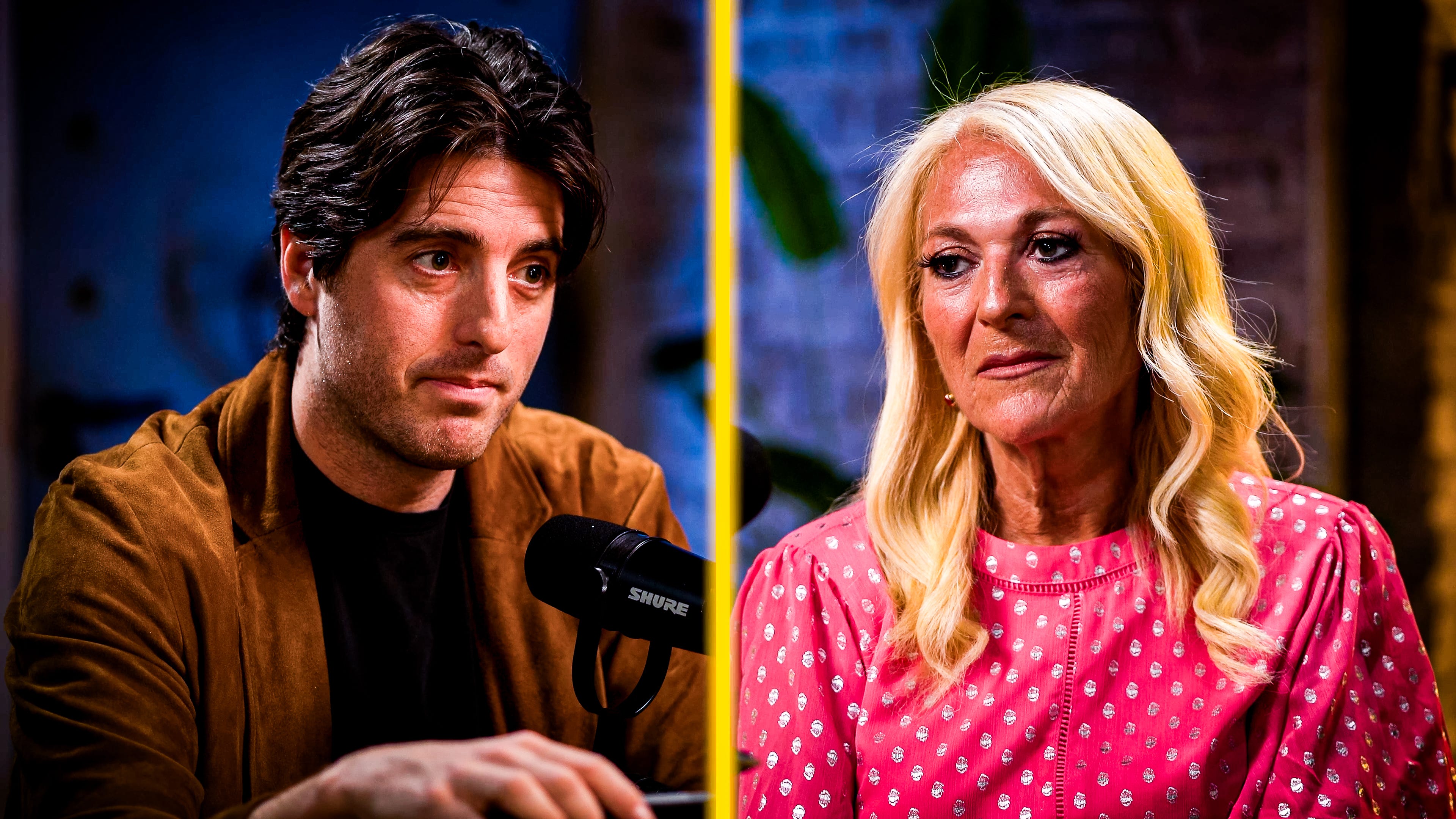
“They are sanitising you and pasteurising you and trying to make sure you don’t say anything that’s really controversial.”
So begins Vanessa Feltz on my latest interview on Heretics.
Yet, within minutes, Vanessa takes exception when I make a joke she deems unacceptable.
Click here to watch on Spotify
“This is where I screw you to the wall,” she says.
“Are you sorry? And are you ashamed of yourself?”
If you get value from these open conversations, please subscribe to support the show:
So what was the offensive joke I made?
To my shame, I had forgotten the name of my brilliant former guest Carol McGiffin. This always happens, as I hardly remember my own name. When Vanessa asked me what Carol looked like, I replied: “Like all the Loose Women.”
Admittedly, I wouldn’t open with it.
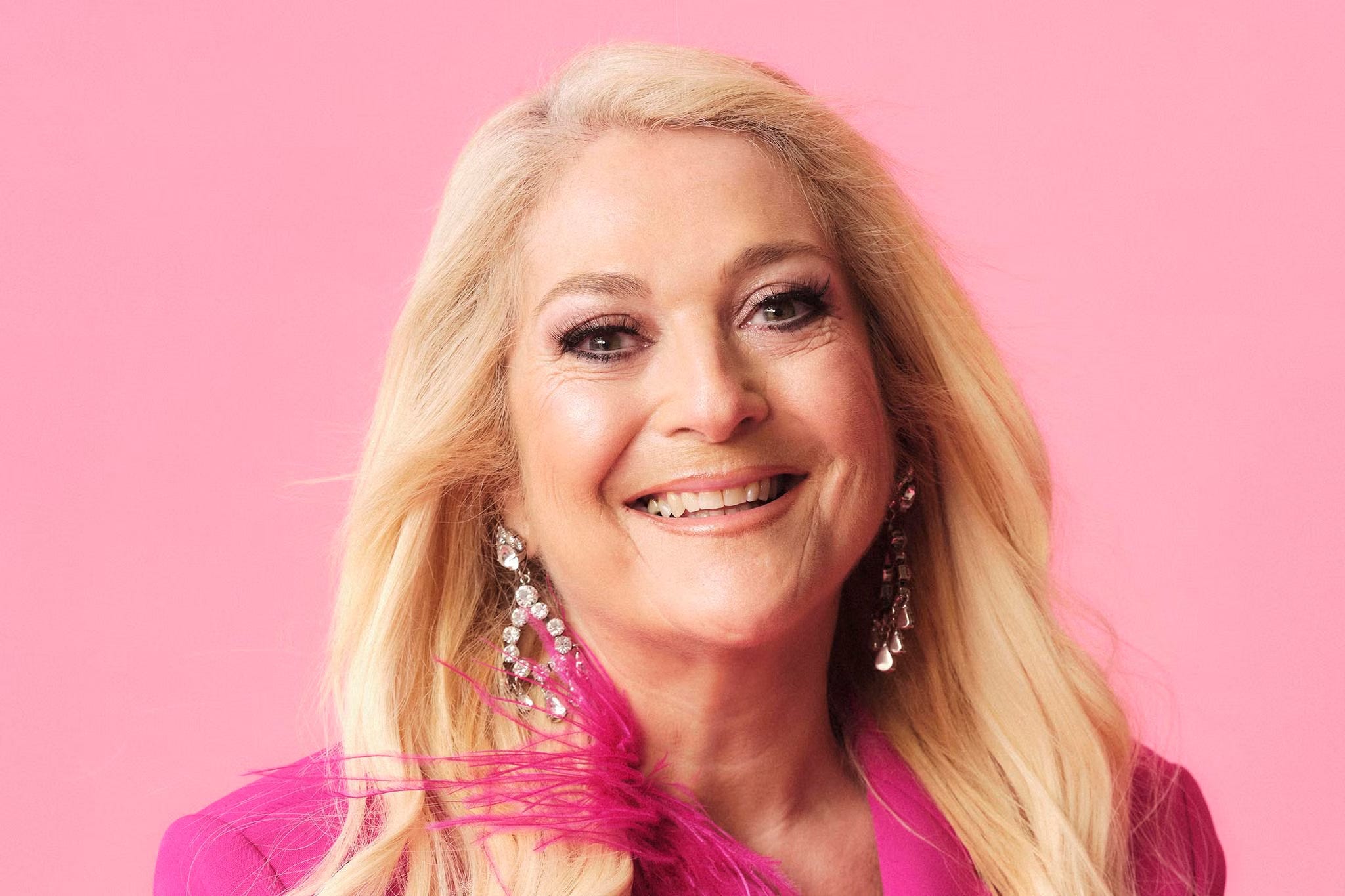
I’m not even sure what I was trying to say. Vanessa’s analysis of my joke was far more sophisticated than the joke itself. She said it suggested that I believed there was a type of woman of a certain age who had become, in my mind, an “amorphous blob”.
Fair enough. It was a flippant, mildly ageist and sexist remark.
But it wasn’t exactly an Andrew Tate manifesto!
Vanessa didn’t simply tell me it was a rubbish joke. She wanted an apology. She wanted to know if I was sorry and, more importantly, if I was ashamed.
Was she trying to cancel me?
Only slightly.
She wasn’t trying to take away my livelihood. She didn’t summon a mob or demand that YouTube remove my channel. But she did reach instinctively for the first stage of the cancellation ritual. The offender must admit that he has done wrong, express the appropriate amount of shame and reassure everyone watching that the moral order has been restored.
It is the classic television sequence: offence, confrontation, apology, advert break.
Except this wasn’t television.
There was no nervous producer talking into my earpiece. Nobody was waiting behind the camera with an approved form of words. There was no boss for someone to pressure into sacking me.
So I didn’t perform a hostage-video apology.
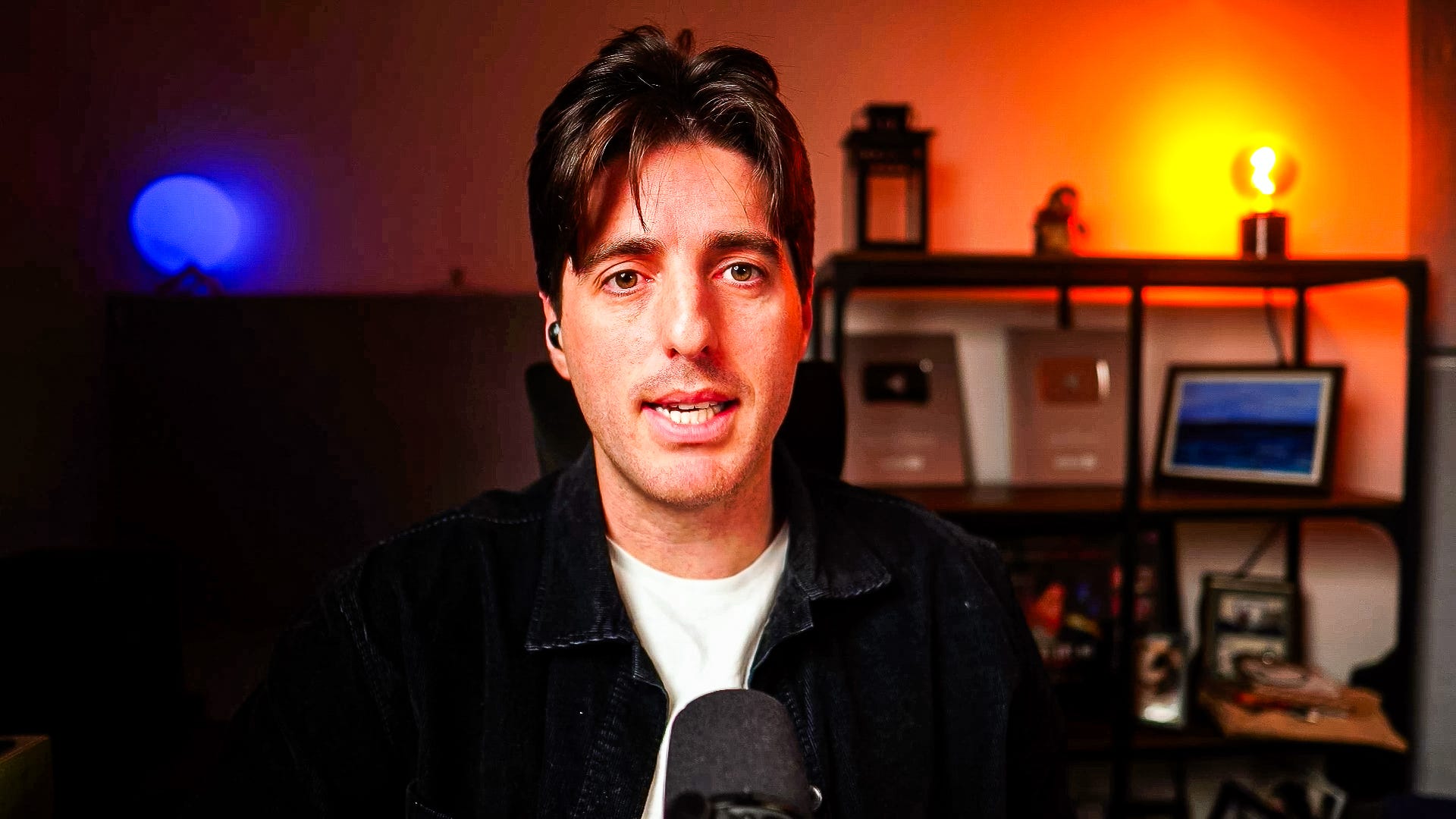
Vanessa called me nasty. I told her why I thought that was unfair. We argued about it and then carried on talking.
Nothing happened.
The ceiling didn’t collapse. Nobody lost a job. Ofcom did not smash through the windows. Two adults disagreed, sometimes quite fiercely.
The Loose Women joke was only the opening skirmish. We later clash over Katie Hopkins, biology and whether kindness means affirming what somebody says or being prepared to tell them something they don’t want to hear.
At one point, Vanessa announces that she has lost the will to live.
I find her fascinating. She is intelligent, funny, ludicrously quick and capable of turning a passing remark into a full Old Bailey prosecution within seconds.
In other words, she is exceptionally well-suited to podcasting and YouTube.
But you can take Vanessa out of daytime TV. It may take a little longer to get daytime TV out of Vanessa.
Decades in broadcasting teach certain habits. You anticipate the complaint before it arrives. You qualify the controversial sentence before you finish it. You protect the channel, the producer and the advertisers. You don’t even notice you’re doing it.
The great irony is that the entertainment world spent decades congratulating themselves for defeating Mary Whitehouse and the old censors. Actors, comedians and broadcasters fought valiantly for the right to depict sex, violence and blasphemy without being told that vulnerable members of the public might be corrupted by it.
Now, many of their cultural descendants make the same arguments about offensive opinions.
They don’t see the connection because their taboos are about “compassion”. The old censors were protecting “decency”. Both claimed to protect vulnerable people from harm.
Those concerns are sincere. But every censor in history has thought their particular forbidden subject was different.
The vocabulary changes. The urge to say “you can’t say that” survives. But something has changed:
Why this feels different on YouTube
The YouTube audience tends to resist this sort of sanitisation.
Not always nobly. YouTube has mobs, orthodoxies, advertisers and algorithms of its own. Creators can become terrified of upsetting their subscribers.
But the relationship is more direct. A viewer chooses to watch. If they dislike what they see, they can argue in the comments, unsubscribe or go somewhere else. There are fewer people standing between the conversation and the audience, trying to remove anything that might cause trouble.
That is why, when Vanessa asked whether I was ashamed, I didn’t have to pretend that I was.
There was no struggle session and no PR statement. We simply had the argument.
For once, the people on the screen spoke like people in normal homes. One person made a bad joke. Another person was offended. They disagreed about how serious it was and continued with their afternoon.
Television used to be full of moments like this.
Vanessa’s YouTube problem
Vanessa’s Channel 5 programme has now ended, and she has launched a new YouTube show called At Home with Vanessa.
I think it has real potential. She interviews famous guests on her bed, harking back to her wonderfully bonkers 1990s show.
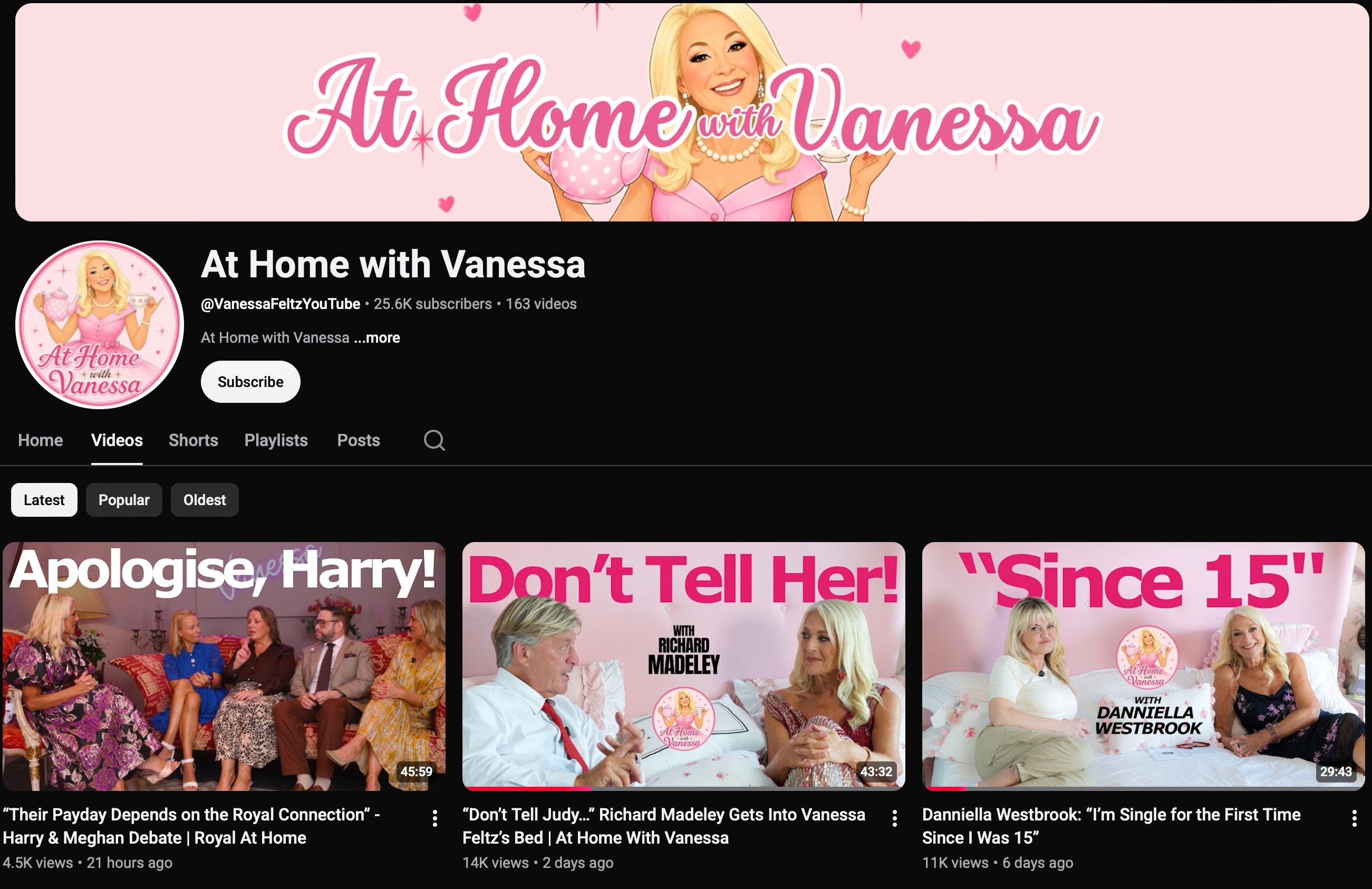
It is a strong idea because it immediately looks different from the thousands of podcasts featuring…well, chairs and tables and people. There’s a bed, for crying out loud.
Chicken Shop Date has its chicken shop. Hot Ones has its increasingly violent chicken wings. Vanessa has a bed.
But the show currently has a problem.
